LGBTQ+ House campaign · Article 19.16, Belarus

Article 19.16: 100 days

Defending access to information and support for LGBTQ+ people in Belarus.

On 27 September 2026, Article 19.16 of Belarus’s Code of Administrative Offences will have been in force for 100 days. It allows the authorities to penalise the dissemination of information they consider to promote the “attractiveness” of same-sex relations, gender transition or childlessness.

LGBTQ+ House calls for repeal of this discriminatory provision, international scrutiny of its enforcement, and proper consideration of the associated risks in protection decisions. This page brings together our research, BLDPI data and recommendations for UN mechanisms, EU institutions and countries receiving people from Belarus.

BLDPI: to 31 August 2026. Document search: to 21 September; selected legal sources verified on 22 September.

Recommendations

The study brings together the text of the law, UN documents, reports by human rights organisations and BLDPI data. It shows that the new provision operates against a background of existing restrictions on access to information and assistance. Reports of enforcement have appeared, but the published data are insufficient to assess its scale. Peaks in discursive pressure coincided with the adoption of the law and its entry into force; the index cannot show the intensity of persecution.

The campaign proposes the following actions within the competence of each addressee. The demands addressed to the Belarusian authorities are set out in the open appeal.

UN mechanisms

Request from Belarus information on the enforcement of Article 19.16, the criteria used to classify information, and the measures taken against individuals and organisations. Reflect the identified risks and reports of enforcement in the work of the Special Procedures and the mechanisms on Belarus.

Special Procedures: send a follow-up communication on the enforcement of the adopted provision. The Special Rapporteur on Belarus and the Group of Independent Experts: include the available information on its enforcement in forthcoming reports.

EU institutions and Member States

Call for repeal of the discriminatory provision and an end to persecution for lawful expression. Raise the issue in statements and parliamentary questions. Update country-of-origin information to reflect the new provision and the available reports of its enforcement.

The European External Action Service: include the issue in the EU’s public positions; Members of the European Parliament: table written questions; the EUAA: update country-of-origin information on the situation of LGBTQ+ people in Belarus.

Poland and other host states

Take into account risks related to sexual orientation and gender identity in the individual assessment of protection claims, including cases without official documents of persecution. Consider the available humanitarian mechanisms for people at risk.

The Office for Foreigners: update the country assessment; the Ministry of Foreign Affairs and consulates: consider humanitarian visa mechanisms; the Border Guard: clarify the application of the statutory exception for Belarusian nationals.

Targeted recommendations, questions to the Government of Belarus and suggested wording for statements and parliamentary questions are collected in the advocacy brief. Recommendations for other international mechanisms, organisations and platforms are in section 6 of the brief and section 8 of the study.

Key facts

19 June 2026

Article 19.16 has been in force since 19 June 2026. Part 1 applies regardless of the audience’s age. For individuals it provides for a fine of up to 20 base values; Part 2, where a minor is exposed, a fine of 20–30 base values, community service or administrative detention. For organisations: Part 1, 100–150; Part 2, 150–200 base values.

First reports of enforcement

On 15 August 2026, TG House publicly reported that it had already documented persecution under Article 19.16; on 8 September it reported three cases it had confirmed; the dates and procedural outcomes were not disclosed. Separately, the organisation reported 24 requests for assistance concerning persecution, threats or a risk of repression in May–August 2026, and ten people whom it helped leave Belarus. These figures must not be added together.

×3.8 in a month

In April 2026 the BLDPI index stood at 5,020 points against 1,308 in March. About 62% of the April value came from 15 and 16 April; 42 court channels posted about the law. The largest contributions in April came from the state bodies and media categories.

8 of 8 not supported

In January 2026 Belarus supported none of the eight Universal Periodic Review recommendations on sexual orientation and gender identity, classing them as “politicised”; all eight were noted in the UPR outcome. As of 21 September 2026, Belarus’s response to communication OL BLR 13/2025 had not been published in the public registry of UN Special Procedures communications.

What the provision is

Article 19.16 was introduced by Law No. 138-Z of 15 April 2026 and has been in force since 19 June. It provides for administrative liability for disseminating information with the aim, stated in the article, of forming perceptions of “attractiveness”. Part 1 applies regardless of the audience’s age; Part 2 increases liability where a minor is exposed.

Unlike liability for disseminating materials from the National List of Extremist Materials, the application of Article 19.16 does not require a specific item to be listed in advance. The vagueness of the wording creates a risk of application to information about health, rights, personal experience and culture. This includes risks for publications on health and gender transition, legal explainers, cultural works and the sharing of personal experience. UN experts have assessed the Belarusian provision; ECtHR and CJEU judgments on similar restrictions in other countries provide a comparative legal basis. The study examines the text of the provision, the earlier restrictions and the available reports of practice.

Timeline

  • 19.03.2024Ministry of Culture Resolution No. 24 is adopted, classifying “non-traditional sexual relations” as “sexual perversions” in the regulation of erotic products. In force from 12 April.
  • 28.03.2024The decision designating TG House resources as extremist materials enters into force.
  • 21.11.2024The first list of printed publications banned from distribution as capable of harming national interests appears.
  • 09.07.2025A bill introducing new liability for the dissemination of information is submitted to the House of Representatives.
  • 03.11.2025In the Universal Periodic Review, Belarus receives recommendations on sexual orientation and gender identity, including to refrain from the new discriminatory provision.
  • 03.12.2025Six UN Special Procedures mandates send Belarus communication OL BLR 13/2025 on the bill.
  • 08.01.2026Belarus rejects all eight UPR recommendations on sexual orientation and gender identity.
  • 16.01.2026Restrictions on information for children under the amendments to the Law “On the Rights of the Child” enter into force.
  • 15.04.2026Law No. 138-Z is signed. Seven UN mandates call the law “a dangerous escalation”.
  • 21.04.2026The Court of Justice of the EU rules in C‑769/22 on Hungary’s restrictions on LGBTQ+ content. The judgment provides a comparative legal basis for assessing similar bans.
  • 19.06.2026Article 19.16 enters into force.
  • 12–21.08.2026The PRAPAHANDA exhibition in Warsaw becomes the public opening of the LGBTQ+ House campaign.
  • 15.08.2026TG House publicly reports that it has already documented persecution under Article 19.16.
  • 08.09.2026TG House reports three cases under Article 19.16 that it has confirmed; the dates and procedural outcomes are not disclosed.
  • 27.09.2026Article 19.16 has been in force for 100 days.

Materials

The study and the BLDPI dataset are published in open access under CC BY 4.0 and have DOIs. When citing the study, give its DOI; when citing the data, the dataset DOI. When using information about cases of persecution, name the organisation or publication that reported them.

“Access to Information and Support under Article 19.16 of the Code of Administrative Offences of Belarus”. Legal analysis, published reports of enforcement, BLDPI data, restrictions on access to assistance and recommendations. References to legal acts, UN documents, court judgments and primary publications. Russian, English and Belarusian.

What UN mechanisms, EU institutions, host states, international organisations and research centres can do: targeted recommendations, questions to the Government of Belarus and suggested wording for statements and parliamentary questions. Russian, English and Belarusian.

Support the right to information and protection

LGBTQ+ House invites organisations to endorse an open appeal concerning Article 19.16 of Belarus’s Code of Administrative Offences. We call for repeal of the discriminatory provision, international scrutiny of its enforcement, and proper consideration of the associated risks in protection decisions.

Read the full appeal before endorsing it. To join, email us from your organisation’s address with its name and country, confirmation that it endorses the text, and permission to publish its name among the endorsing organisations. Providing a logo is optional. The list is updated as organisations join.

What the BLDPI index shows

BLDPI is an index of discursive pressure on LGBTQ+ people developed by LGBTQ+ House. It is calculated from messages in an observed set of 520 public Telegram channels with editorial teams inside Belarus. The index shows the intensity and structure of pressure in these channels; its values are not a number of victims or a measure of public opinion.

Relevant messages are selected automatically and verified manually. A message’s contribution to the index depends on the intensity of pressure, the source category and the size of the audience. The methodology, codebooks and monthly data are published on the index page and with the dataset. A separate indicator, PDI, reflects identified messages defending the rights of LGBTQ+ people; a zero value means that no such messages were detected by the method in the observed set of channels.

BLDPI: monthly PI by source category and PDI, Sept 2025 – Aug 2026

Where the pressure came from

In April the contribution of state bodies’ channels rose from 73 to 1,308 points and that of the media category from 374 to 2,237. This shows a change in the composition of sources that generated the measured pressure in the month the law was adopted.

In July–August the media contribution to the index fell

After the June rise, the index fell in July and August. In August it stood at 624 points with 111 negative posts. This is a decline in measured pressure, not evidence that the topic has disappeared from public space or that persecution has stopped.

The index does not measure people’s safety

BLDPI cannot show the number of offence records, detentions or requests for assistance. Data from support organisations cover other indicators and periods; they do not form a comparable monthly series for assessing a link with the index.

How to cite the data. The index data, observation frame and monthly reports are deposited on Zenodo with a persistent DOI.

DOI LGBTQ+ House (2026). Belarus LGBTQ+ Discourse Pressure Index (BLDPI). Zenodo. https://doi.org/10.5281/zenodo.22876522

Current version 2026.08 (September 2025 – August 2026) · Licence CC BY 4.0
PRAPAHANDA: the cultural part of the campaign

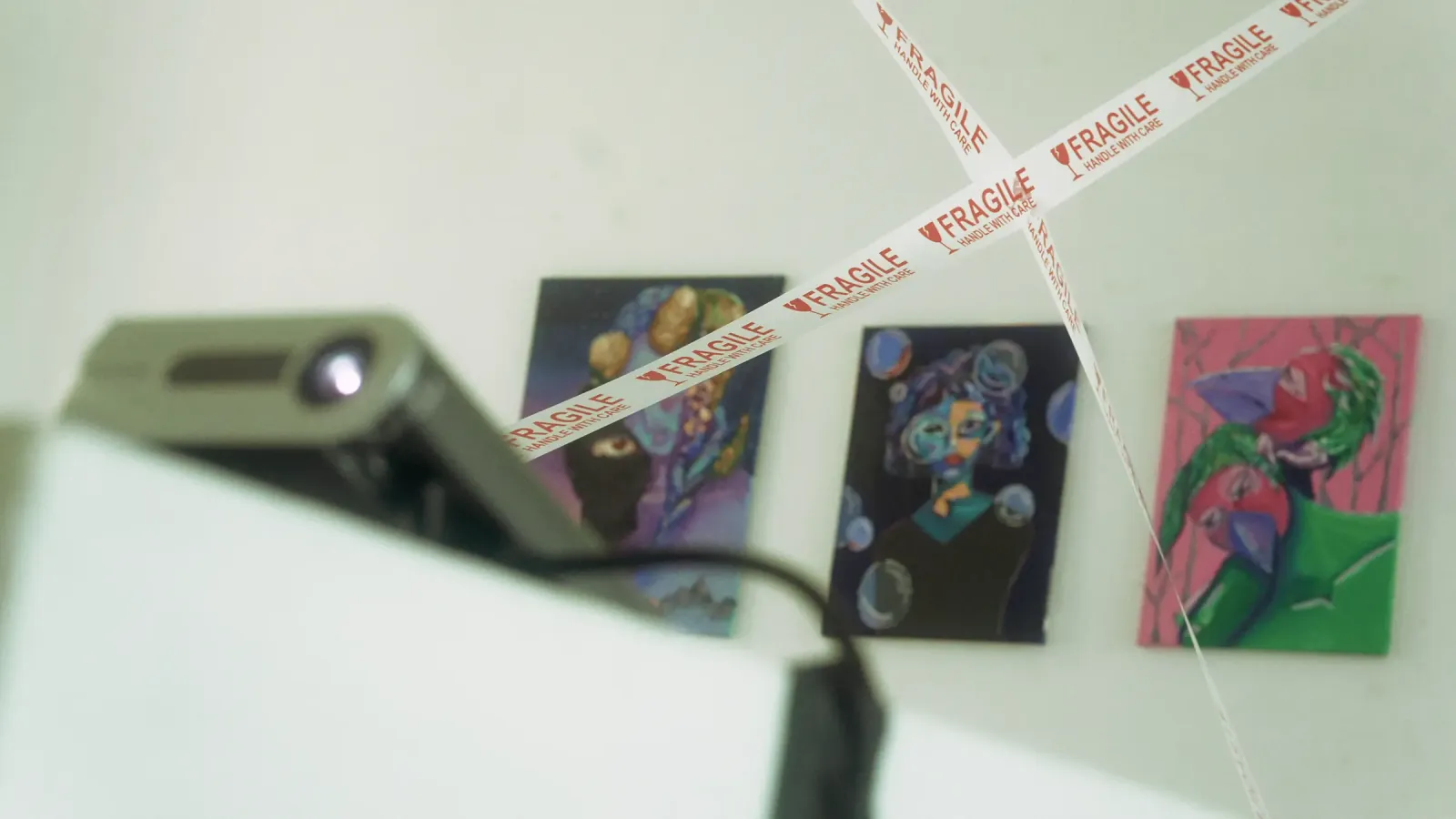
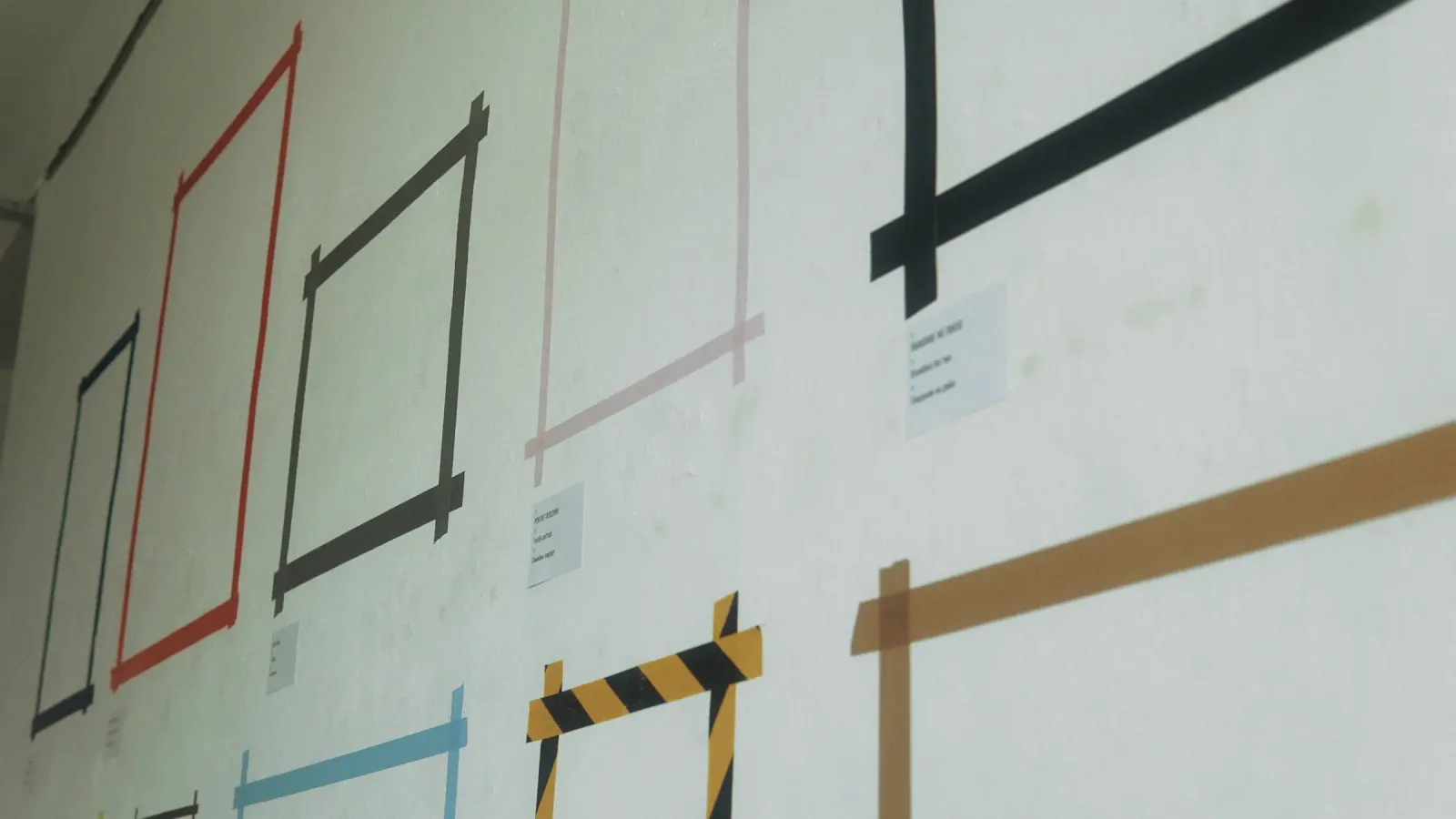
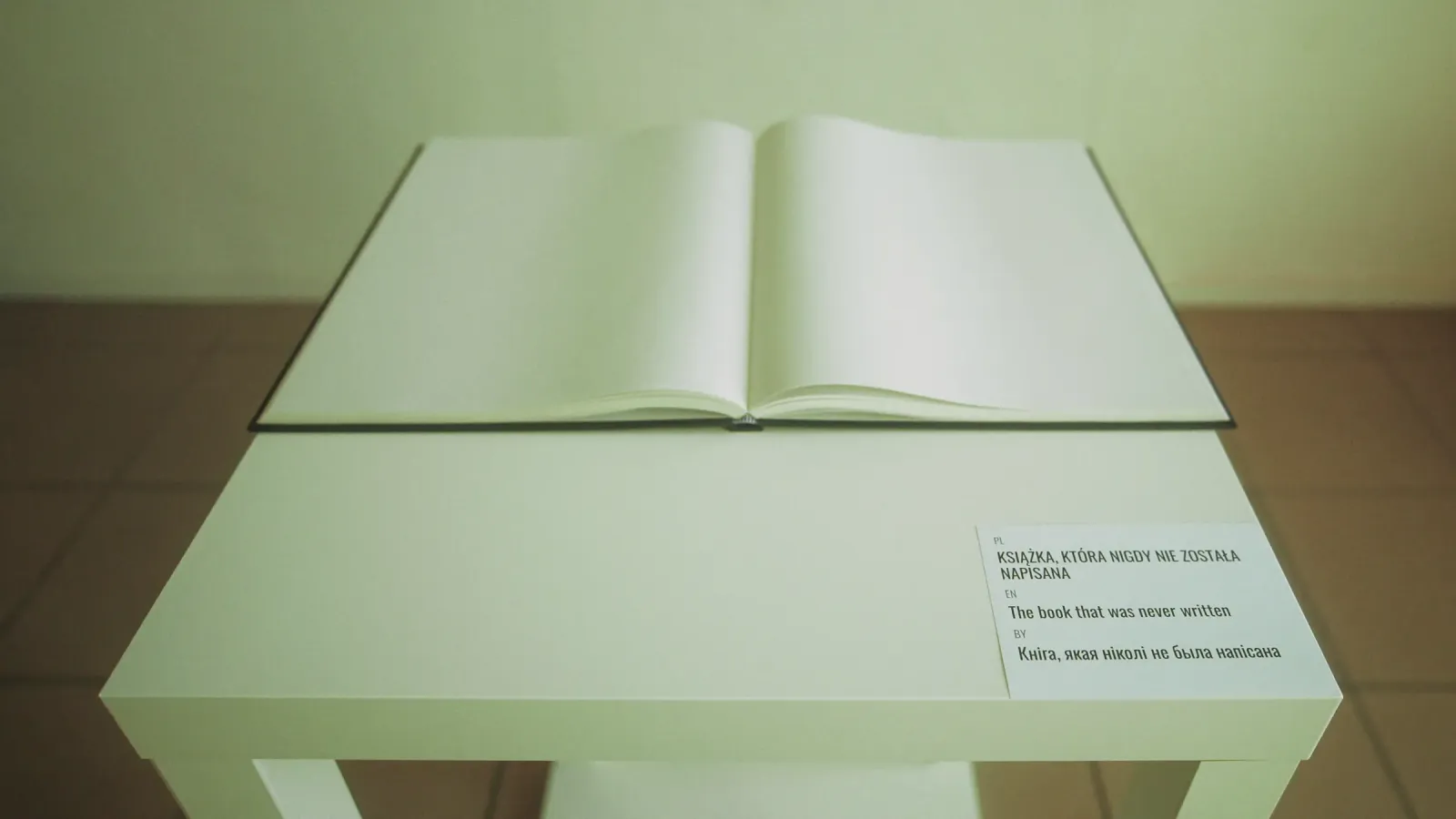
The PRAPAHANDA exhibition took place on 12–21 August 2026 at Nowe Miejsce in Warsaw and became the public opening of the campaign. Works by queer artists from Belarus, Poland and Ukraine created a space for a conversation about identity, personal experience and the right to public presence.

The exhibition linked the legal theme of the campaign with artistic expression: the vagueness of Article 19.16 creates risks for such public expression in Belarus. The participants’ works and the programme are presented on the exhibition website.

PRAPAHANDA, Nowe Miejsce, Warsaw, August 2026

Photos from the opening on 12 August 2026. Programme, participants and more photos on the exhibition website.

How to join

Organisations

Endorse the open appeal and use the recommendations in your own advocacy. How organisations and researchers can endorse is set out on the appeal page.

Institutions

The study and a brief with targeted recommendations have been prepared for institutions. For questions about the published materials, contact LGBTQ+ House: This email address is being protected from spambots. You need JavaScript enabled to view it..

Media and researchers

Use the study and BLDPI data with attribution. Give the source of the information and the period to which it relates.